Bell Ringers for Middle School Made EASY
Today I'm sharing an easy classroom management strategy that will help you start your class on time, every day. My middle school classroom is full of routines and procedures, but this is definitely the most important of all. Without it, my classroom would not be near as easy to manage.
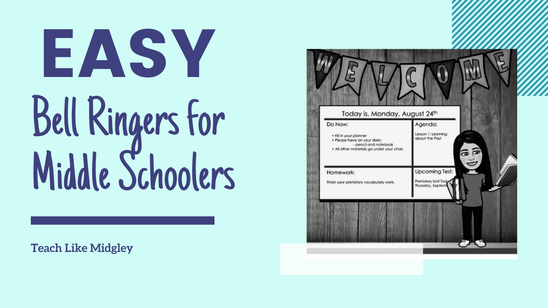
The EASY Bell Ringer
I have discovered that many teachers roll their eyes at the idea of a Bell Ringer activity. I was once that exact teacher. Mostly, I didn't want the hassle of "coming up" with something, nor did I want the hassle of grading it. I certainly didn't want to waste my class time with it.
I also understand not wanting to give up all of your instructional whiteboard space to warm-up work. You don’t have to do that either.
But I discovered a super simple way to use the structure of a Bell Ringer for management purposes, and NOT create more work for myself!
I also understand not wanting to give up all of your instructional whiteboard space to warm-up work. You don’t have to do that either.
But I discovered a super simple way to use the structure of a Bell Ringer for management purposes, and NOT create more work for myself!
Why use a Bell Ringer Structure?
Students need direction. The moment a student steps foot in your classroom, they should know exactly what they are supposed to do.
The very first thing I teach my students to do upon entering the classroom is to READ THE BOARD.
The board tells them so many things!
The first thing it tells them is: Where to Sit, along with instructions for what they should Do Now.
Using a Bell Ringer Structure sets the tone for your classroom. It sends the message that students are here for a purpose, and it is not time to be wasted away.
The very first thing I teach my students to do upon entering the classroom is to READ THE BOARD.
The board tells them so many things!
The first thing it tells them is: Where to Sit, along with instructions for what they should Do Now.
Using a Bell Ringer Structure sets the tone for your classroom. It sends the message that students are here for a purpose, and it is not time to be wasted away.
How to Keep it Simple
Bell Ringers don't HAVE to be questions and answers and actual pencil to paper work that requires more student papers and shuffling and grading...
Your Bell Ringer can be simple actions that your students need to take to be prepared for the day's lesson.
Actions like:
+ Please have on your desk: your notebook, pencil, textbook and ruler.
- All other materials go under your chair.
+ Fill in your Planner with today's homework.
+ Read the paragraph at the top of page 54 of your textbook.
+ Read through your class notes from yesterday.
+ Review the vocabulary for our _____ unit.
You get the idea. Have your students prepare their desks, their bodies, and their minds for the day's lesson. The possibilities are endless!
Your Bell Ringer can be simple actions that your students need to take to be prepared for the day's lesson.
Actions like:
+ Please have on your desk: your notebook, pencil, textbook and ruler.
- All other materials go under your chair.
+ Fill in your Planner with today's homework.
+ Read the paragraph at the top of page 54 of your textbook.
+ Read through your class notes from yesterday.
+ Review the vocabulary for our _____ unit.
You get the idea. Have your students prepare their desks, their bodies, and their minds for the day's lesson. The possibilities are endless!
How to Set Up a Bell Ringer Structure
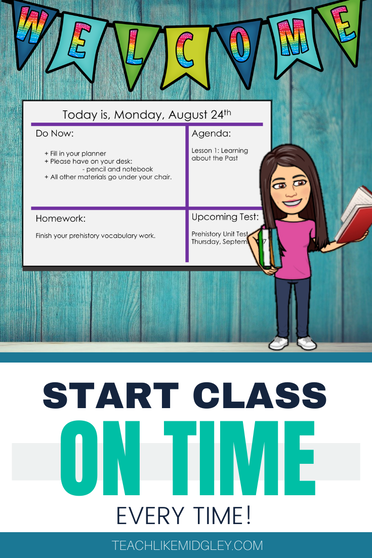
All you need to do is designate a square of space for posting homework, test dates, and the daily agenda.
This can be a bulletin board, a section of your whiteboard, or a simple wall space.
Once you’ve done that, simply add a section that is titled Do Now and train your students to read the message as soon as they enter the classroom.
This is a very easy procedure to teach. Especially when you include on your Do Now board instructions for where students should sit. I often change seating arrangements for different lesson structures, and this is an easy way to give my instructions.
When students come up to ask me questions about seating, I simply smile and point to the board ;)
This can be a bulletin board, a section of your whiteboard, or a simple wall space.
Once you’ve done that, simply add a section that is titled Do Now and train your students to read the message as soon as they enter the classroom.
This is a very easy procedure to teach. Especially when you include on your Do Now board instructions for where students should sit. I often change seating arrangements for different lesson structures, and this is an easy way to give my instructions.
When students come up to ask me questions about seating, I simply smile and point to the board ;)
Going Digital
So what if you don't have a physical classroom?
What if you are a traveling teacher with no classroom of your own?
What if you just don't have room on your walls?
What if you teach multiple grade levels/subject areas?
There's an easy answer here: Use a PowerPoint Slide.
These slides can easily be prepared ahead of time and projected wherever they are needed.
What if you are a traveling teacher with no classroom of your own?
What if you just don't have room on your walls?
What if you teach multiple grade levels/subject areas?
There's an easy answer here: Use a PowerPoint Slide.
These slides can easily be prepared ahead of time and projected wherever they are needed.
|
Check out these made-just-for-you
PowerPoint Slide Templates -> -> -> |
|
Benefits of this Unique Structure:
⭐ Focused student behavior
⭐ Students developing an important study habit
⭐ Students are ready for you start at the bell
⭐ Sets the tone for your lesson
⭐ Doesn't require any extra work on your part
⭐ Creates a smooth transition to your teaching
⭐ Posted homework, daily agenda, and test dates eliminate student confusion and clearly communicates your expectations
⭐ Students developing an important study habit
⭐ Students are ready for you start at the bell
⭐ Sets the tone for your lesson
⭐ Doesn't require any extra work on your part
⭐ Creates a smooth transition to your teaching
⭐ Posted homework, daily agenda, and test dates eliminate student confusion and clearly communicates your expectations
The Templates
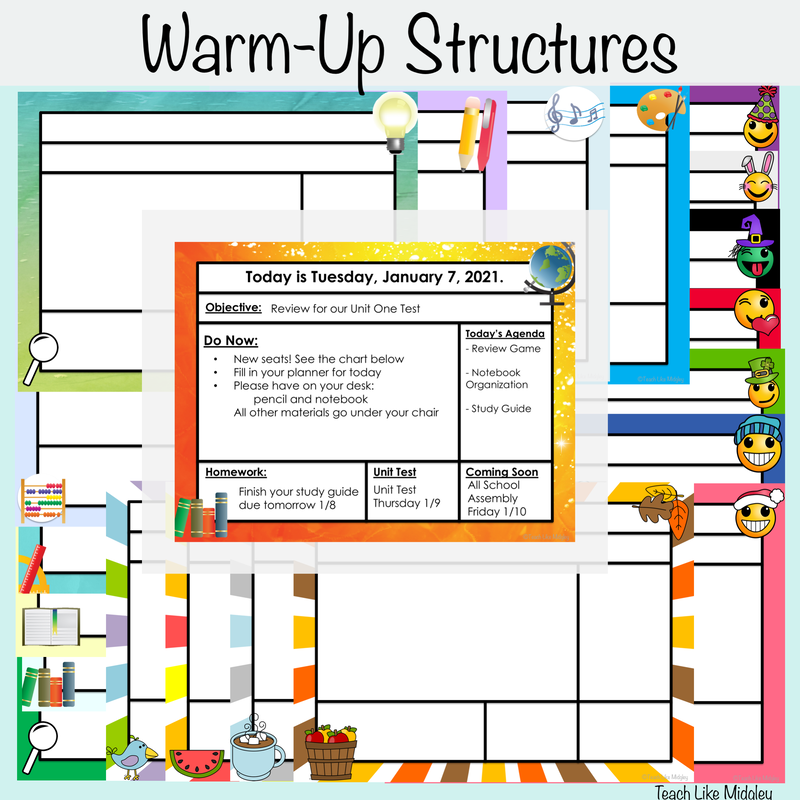
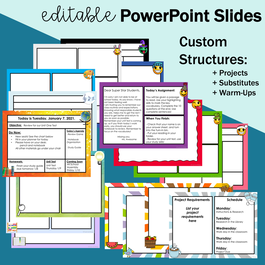
Subject specific themes give you a fun way to tailor these slides to your classroom: Globes and books for History
Pencils, pens and paper for English
Magnifiers and lightbulbs for Science
Abacus, ruler and calculators for Math
Paint palates for Art
Notes for Music
Seasonal themes give you a fun way to freshen your instruction:
Fall
Summer
Spring
Winter
Along with fun emoji faces for various holidays:
Valentines, St. Patrick’s, Halloween, Easter, Christmas, and Celebrations.
All slides are designed with ease of use in mind. Clip art images and borders are kept to a minimalistic style so they will not over shadow your content.
Pencils, pens and paper for English
Magnifiers and lightbulbs for Science
Abacus, ruler and calculators for Math
Paint palates for Art
Notes for Music
Seasonal themes give you a fun way to freshen your instruction:
Fall
Summer
Spring
Winter
Along with fun emoji faces for various holidays:
Valentines, St. Patrick’s, Halloween, Easter, Christmas, and Celebrations.
All slides are designed with ease of use in mind. Clip art images and borders are kept to a minimalistic style so they will not over shadow your content.
But there's More to these Templates...
|
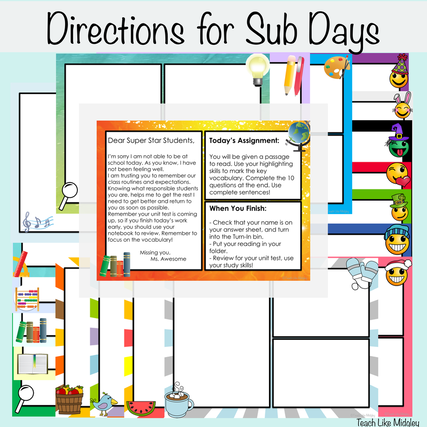
The 3 Square Structure is great for leaving instructions for substitutes. All they have to do is project the image. Leave your students a personalized note, give instructions for the day’s work, and what to do when they are finished.
|
|
|
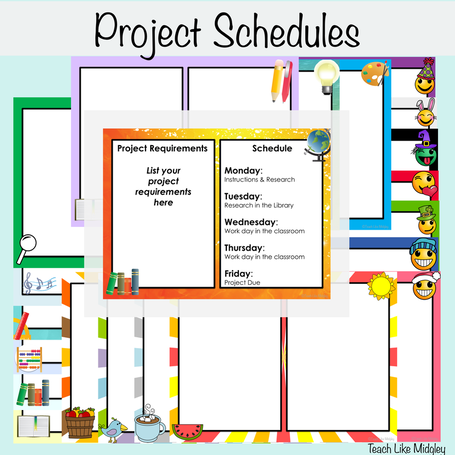
The 2 Column Structure is great for projects. List your requirements on the left and your schedule on the right. A great way to give clear expectations for your students every day of the project.
|
There are also 2 other Design Structures that are simple blocks to allow you flexibility to add text-boxes in any way you need. Use them for instructional purposes in your classroom.
All slides are designed with ease of use in mind. Clip art images and borders are kept to a minimalistic style so they will not over shadow your content.
All slides are designed with ease of use in mind. Clip art images and borders are kept to a minimalistic style so they will not over shadow your content.
Final Thoughts
I may sound like a broken record, but I can't help it because it's the truth.
Your students need structure.
They crave it! Even if they don't know it!
By providing simple structures like these, you will see big improvements from your students, with less questions and fewer hassles.
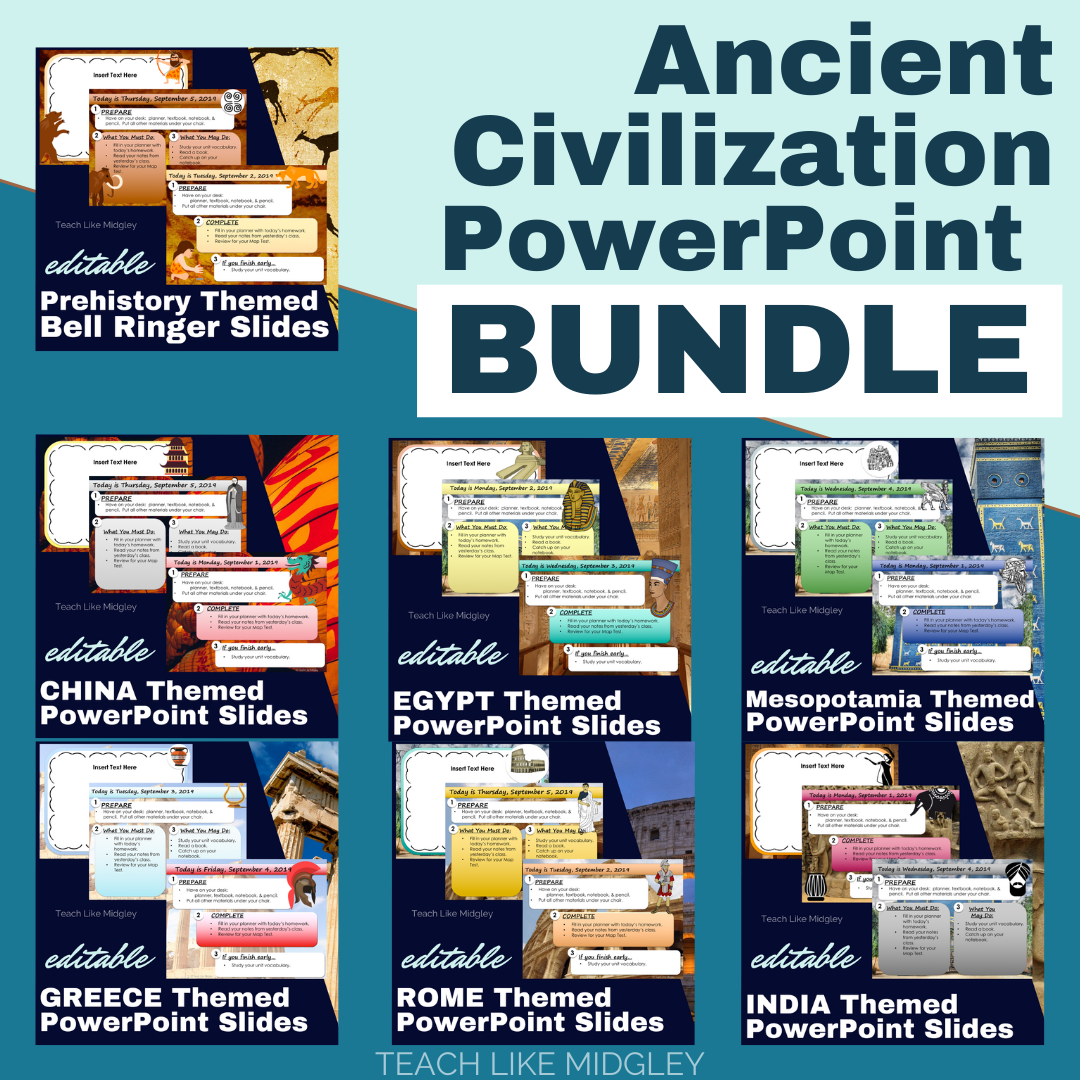
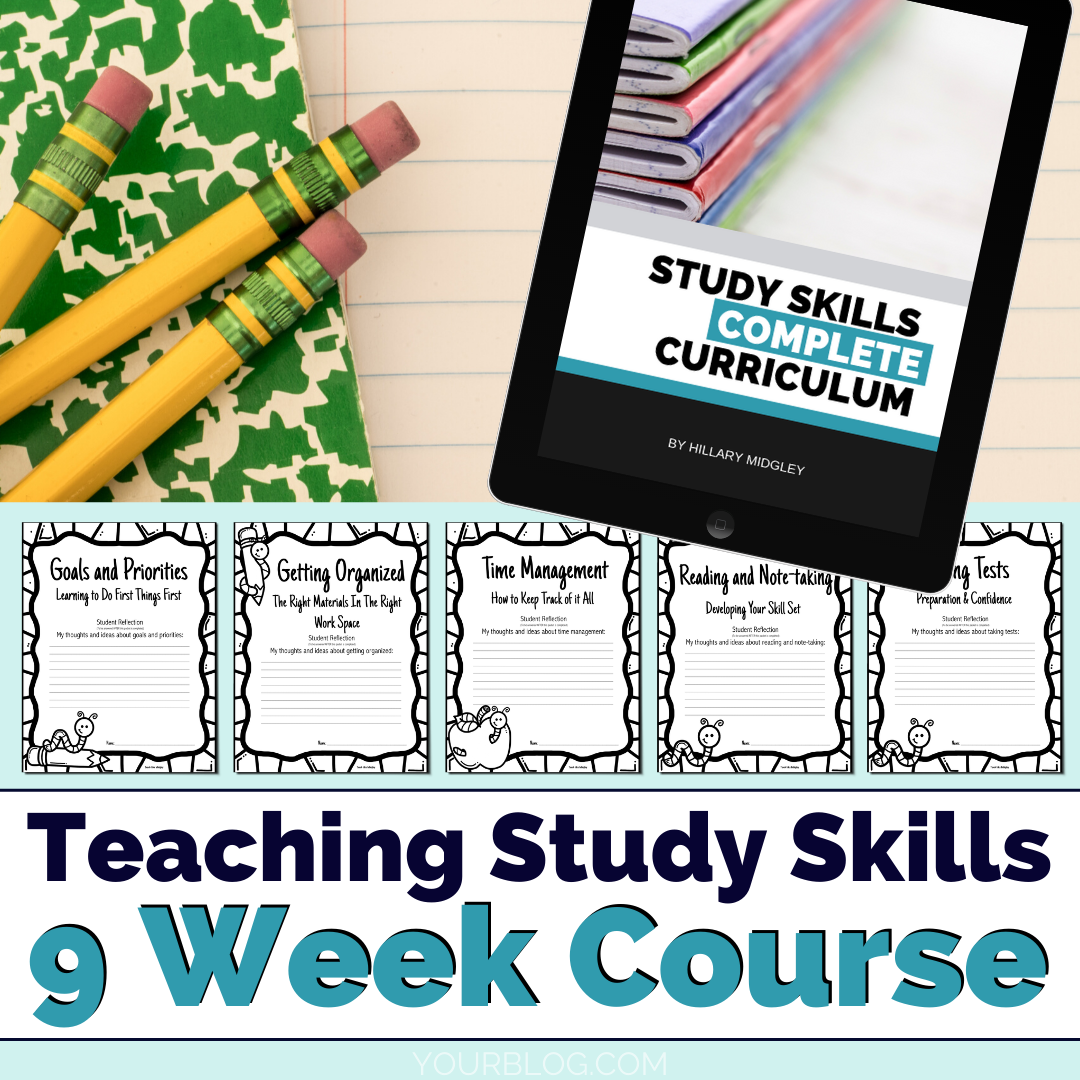
Check out these awesome done-for-you resources to get you started:
Your students need structure.
They crave it! Even if they don't know it!
By providing simple structures like these, you will see big improvements from your students, with less questions and fewer hassles.
Check out these awesome done-for-you resources to get you started:
|
|
|
You May Also Like...
Welcome! I'm Hillary Midgley, a veteran 6th grade teacher.
I create educational materials and develop curriculum for other teachers. I specialize in teaching students how to learn through my Study Skills Curriculum. I have established fundamental classroom systems and structures for teachers to help them streamline their classroom. And my passion is teaching ancient history through engaging activities with foundations in academic skills. Here you will find resources on all of these topics and more. Learn more about me here.
Let's Connect...

|

|
|

|